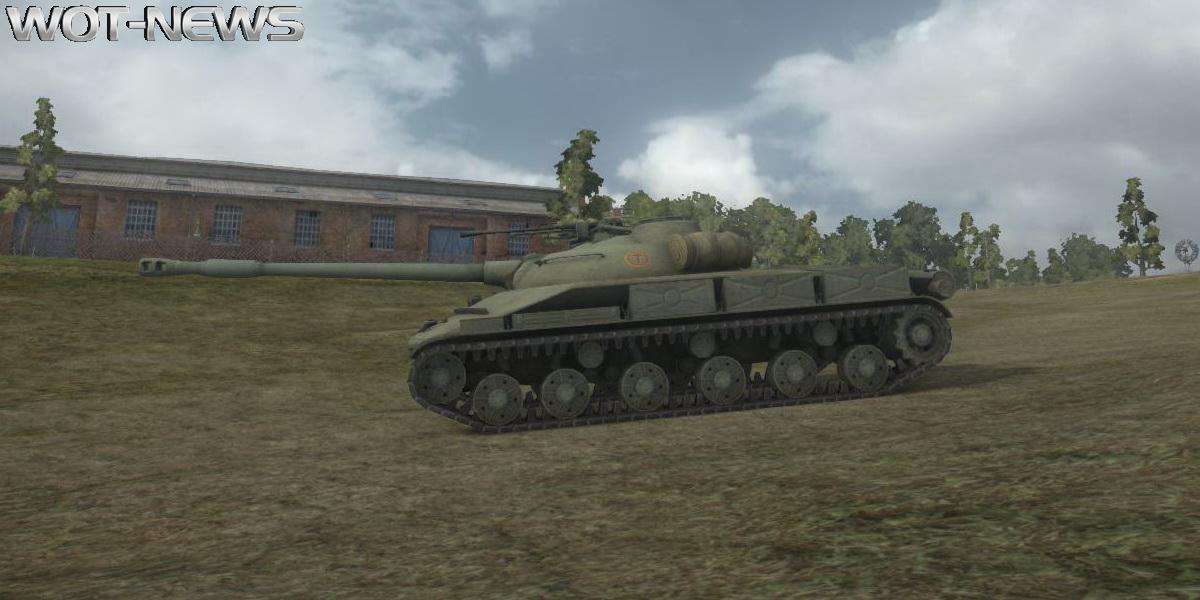
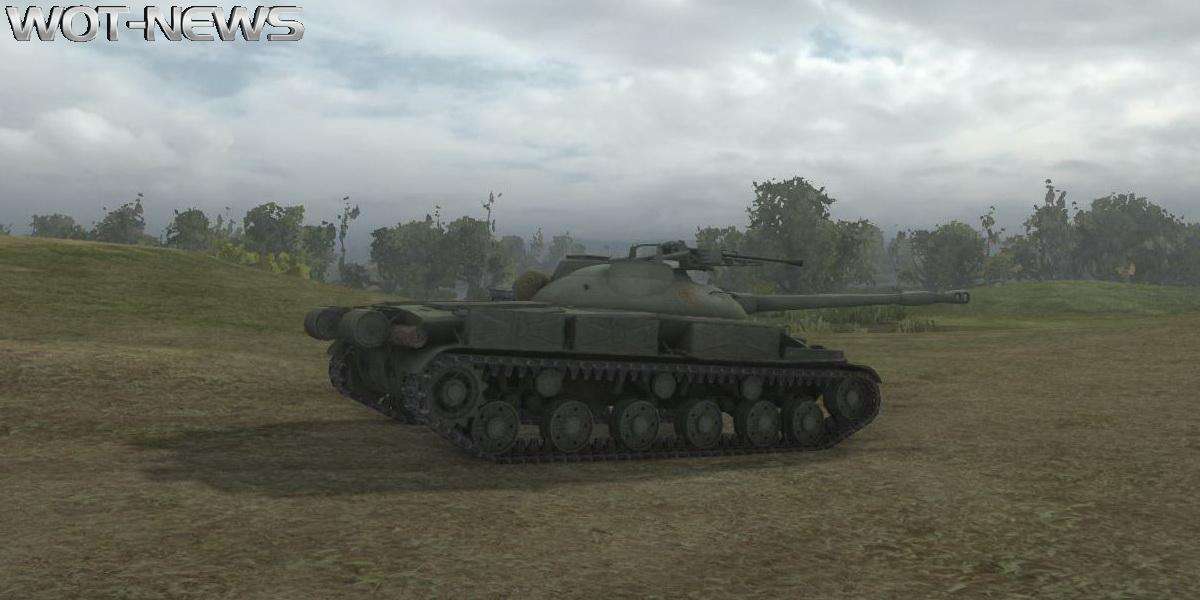
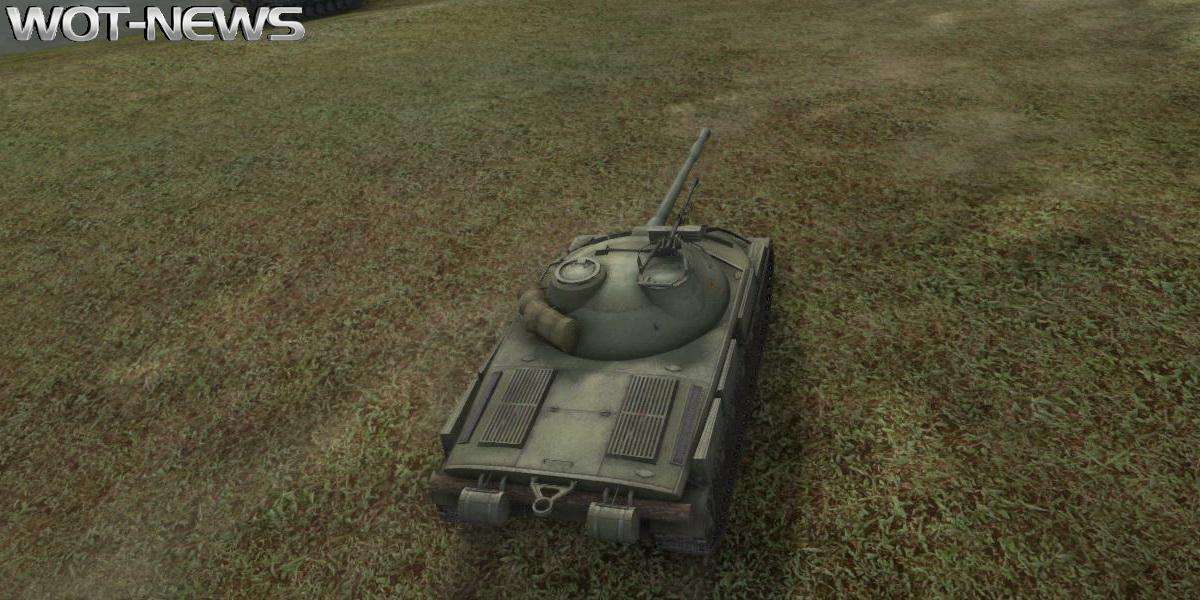
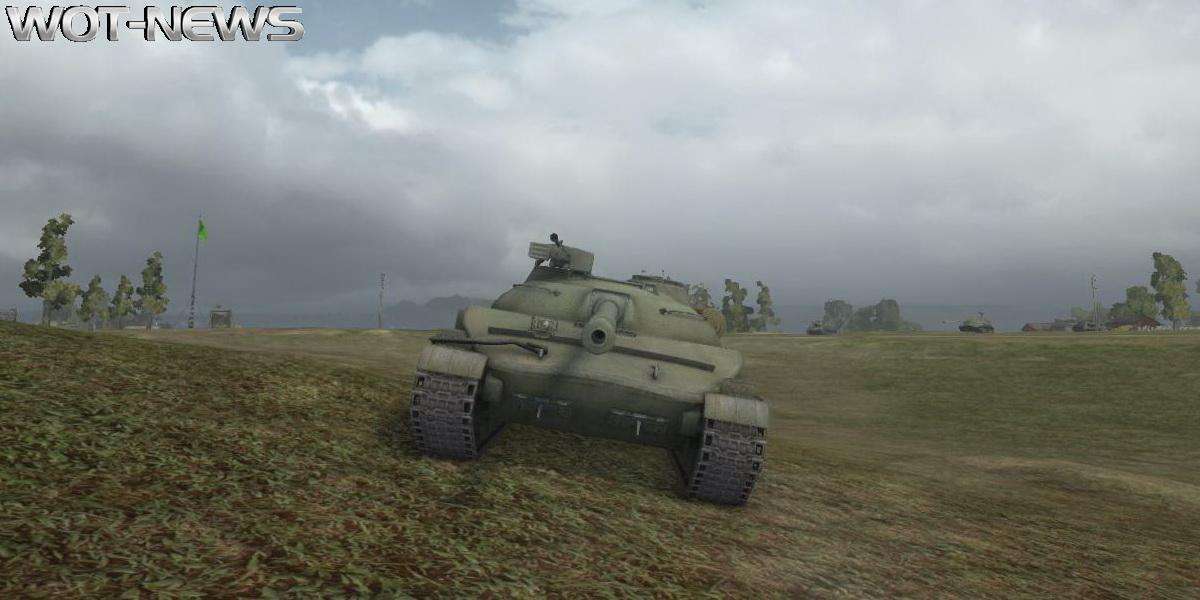
Source: wot-news.com
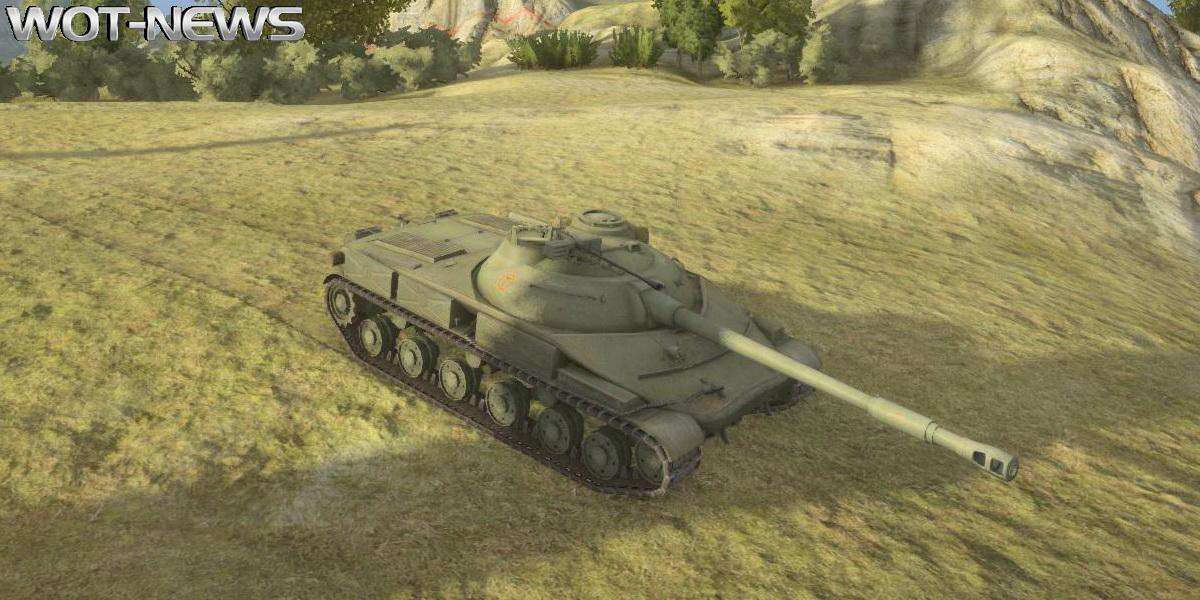
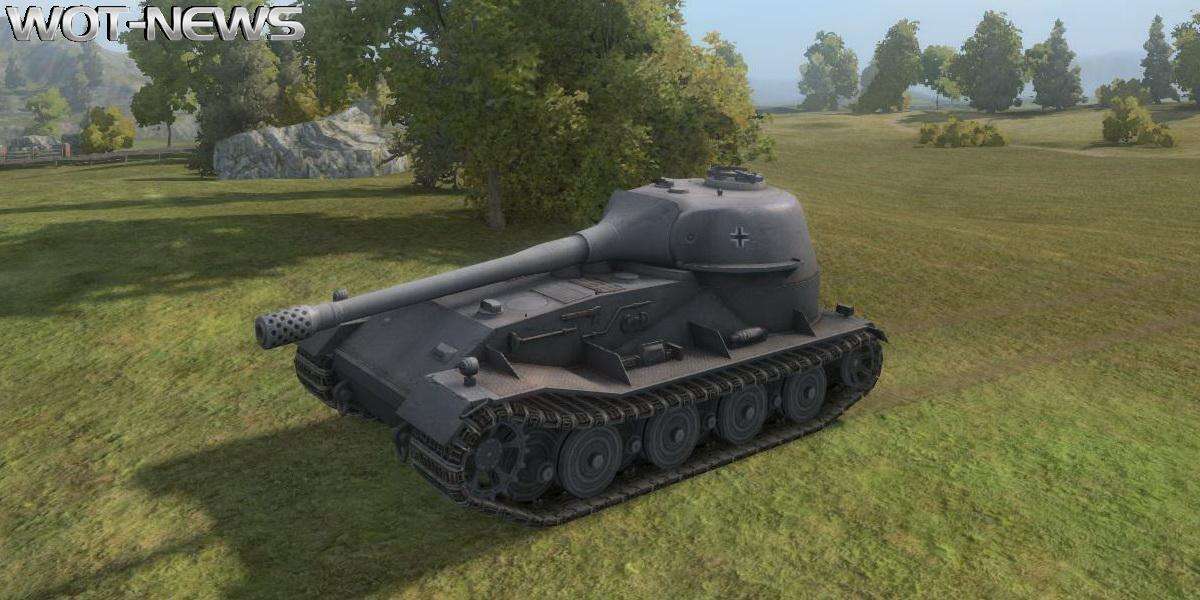
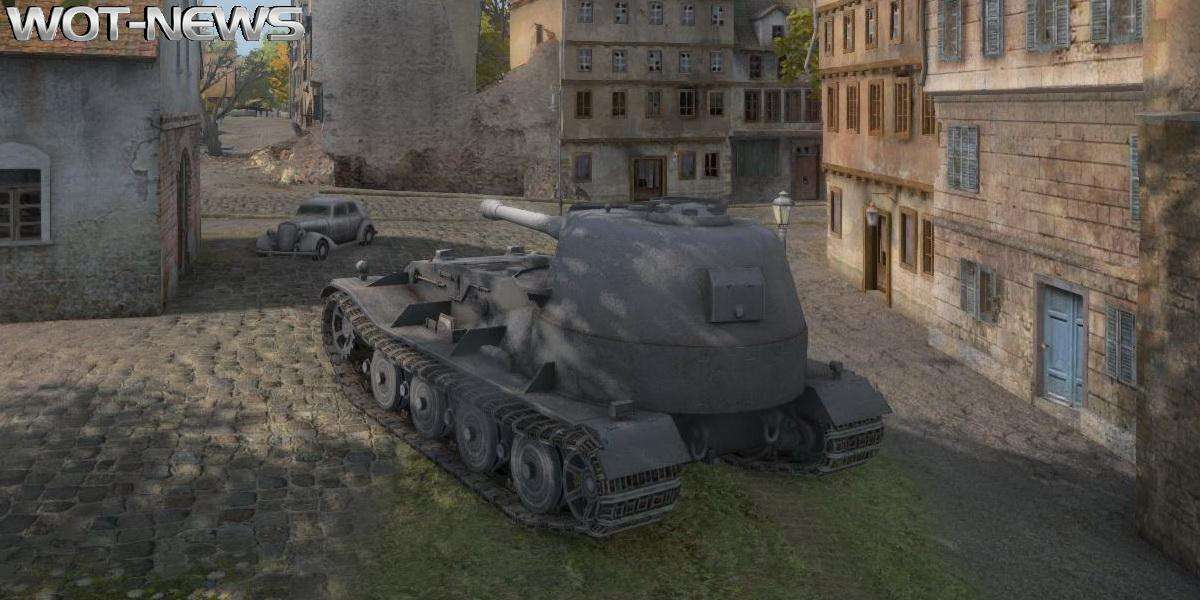
Object 907
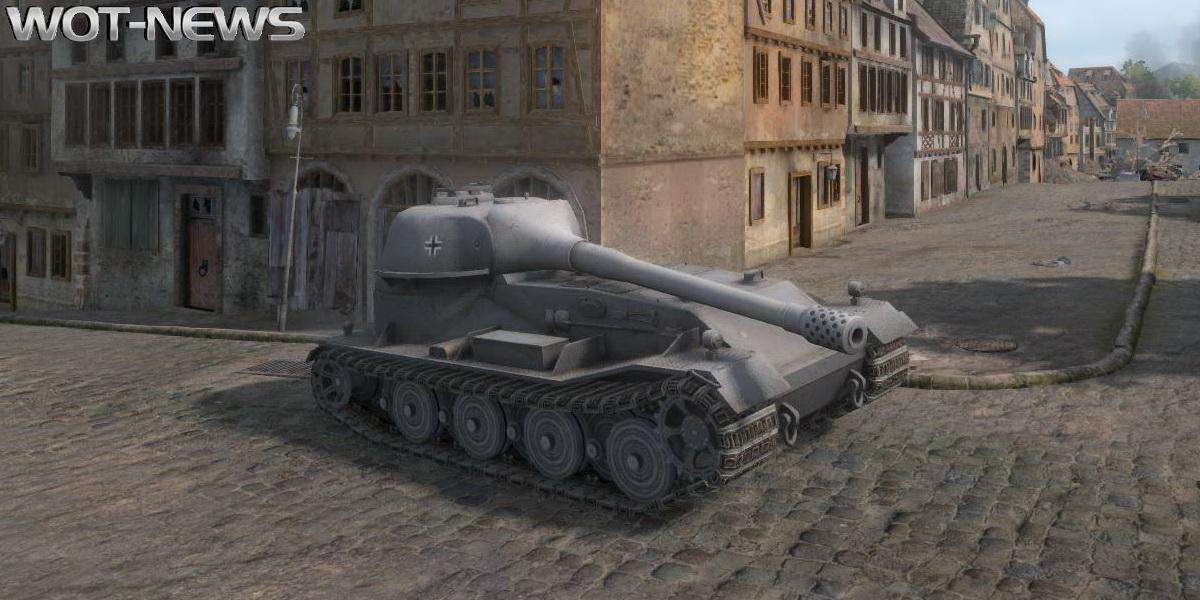
VK7201
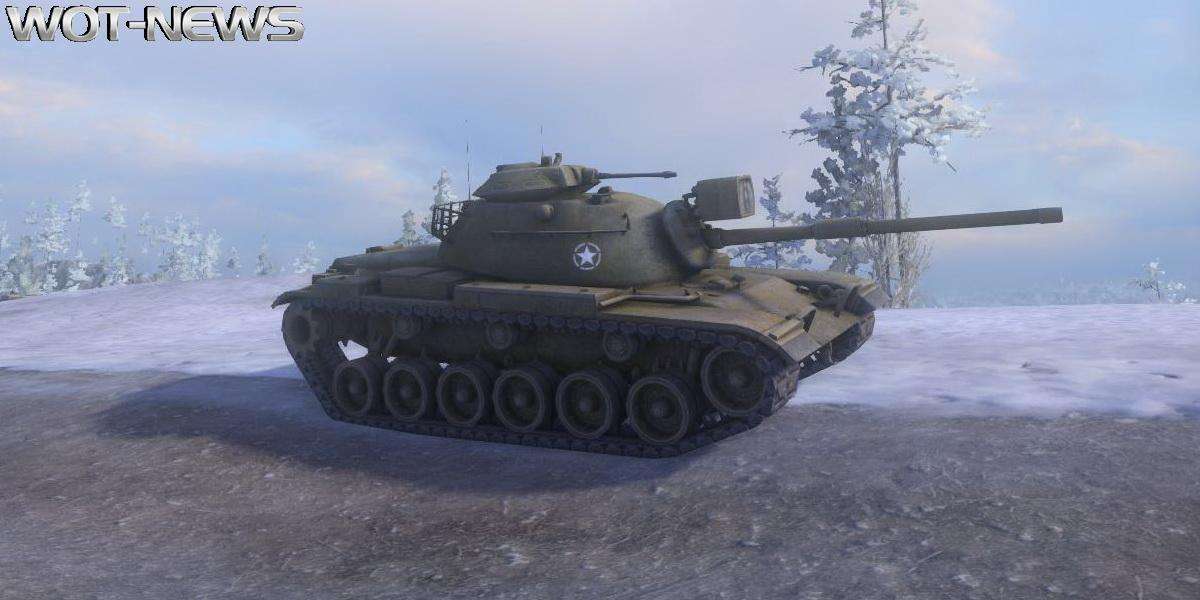
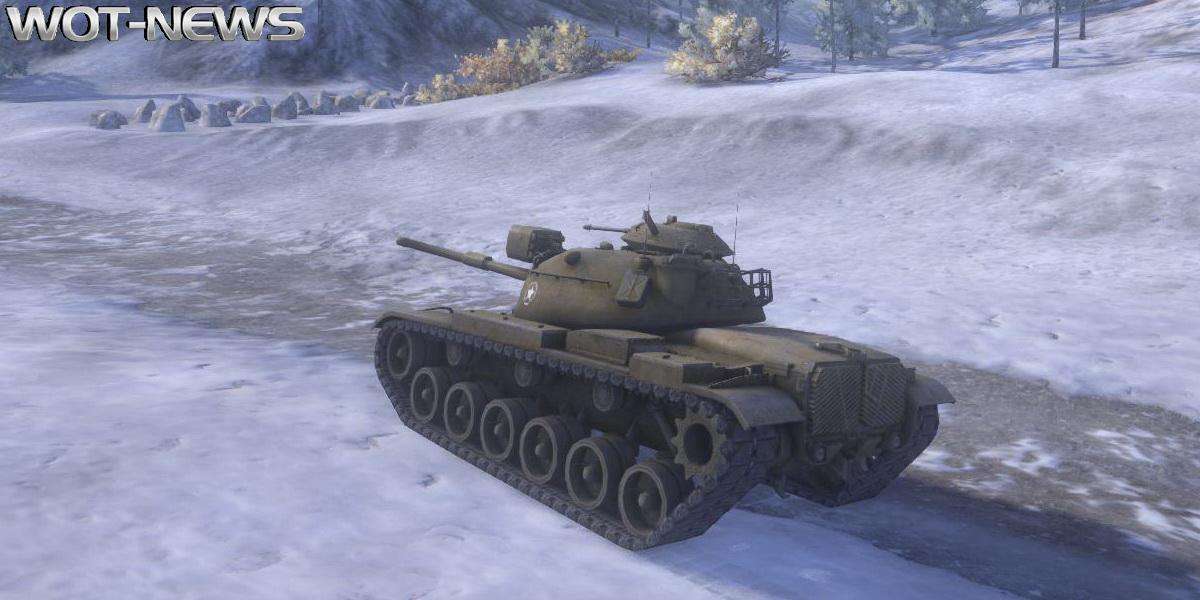
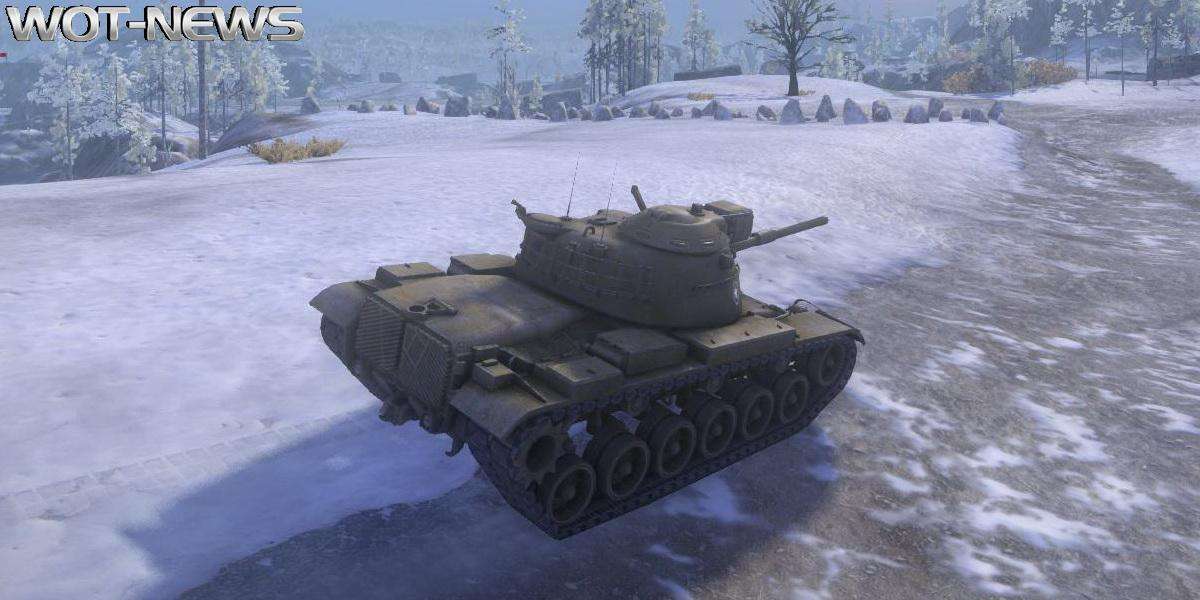
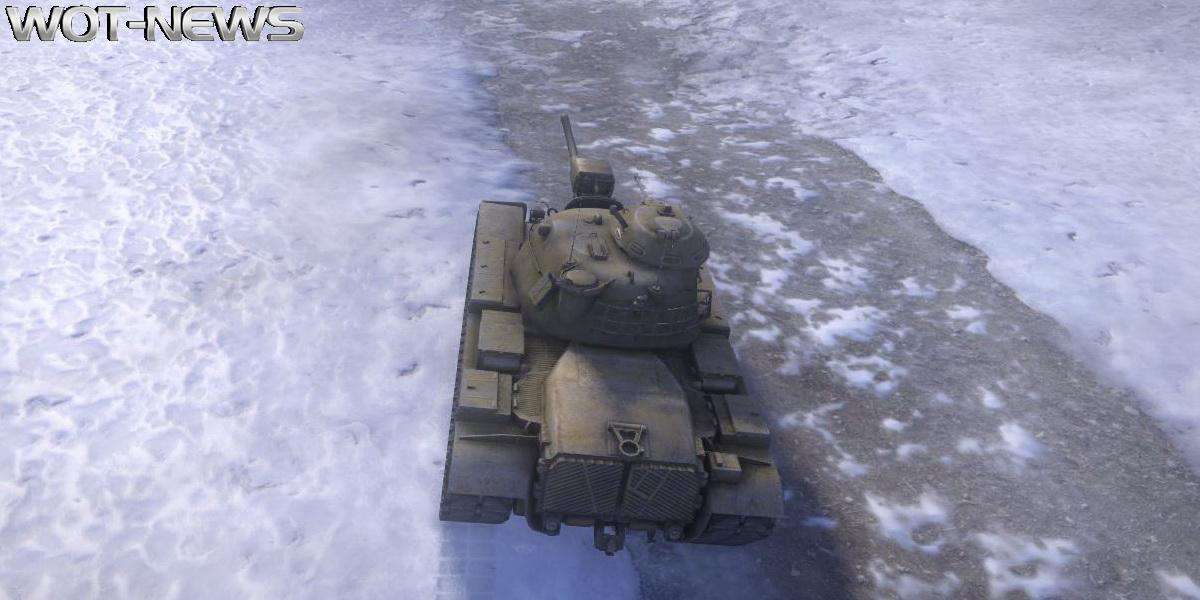
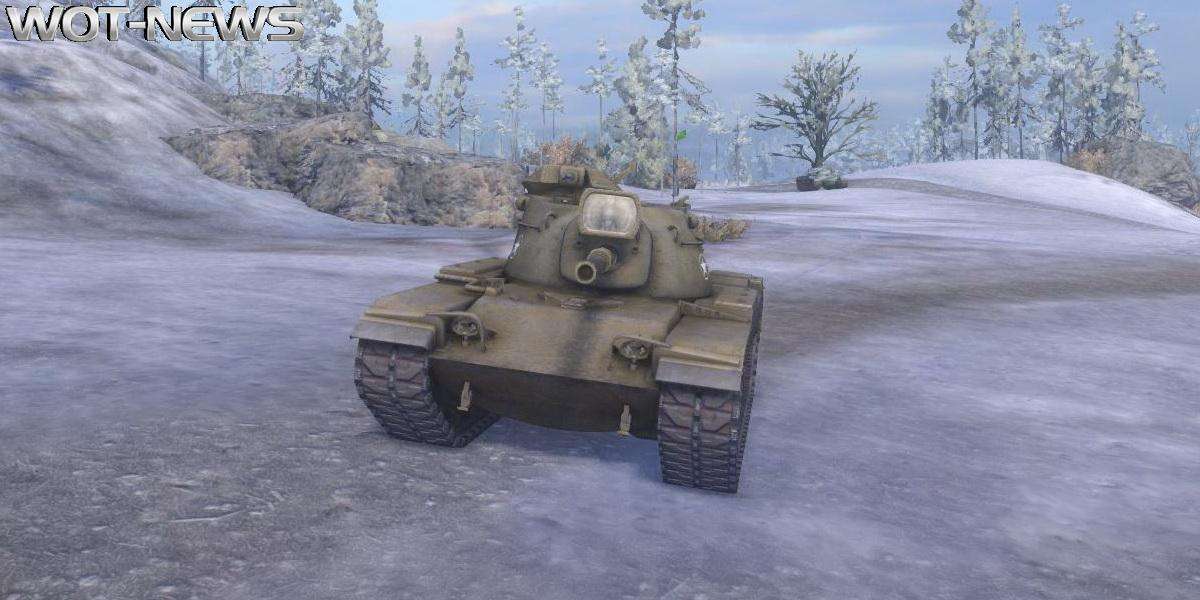
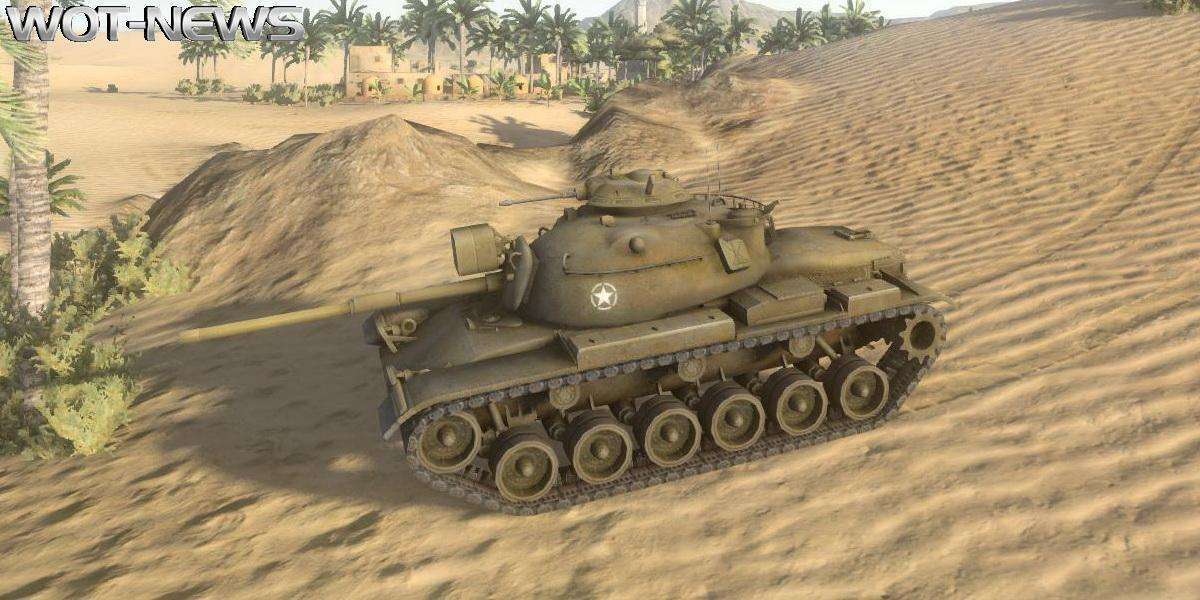
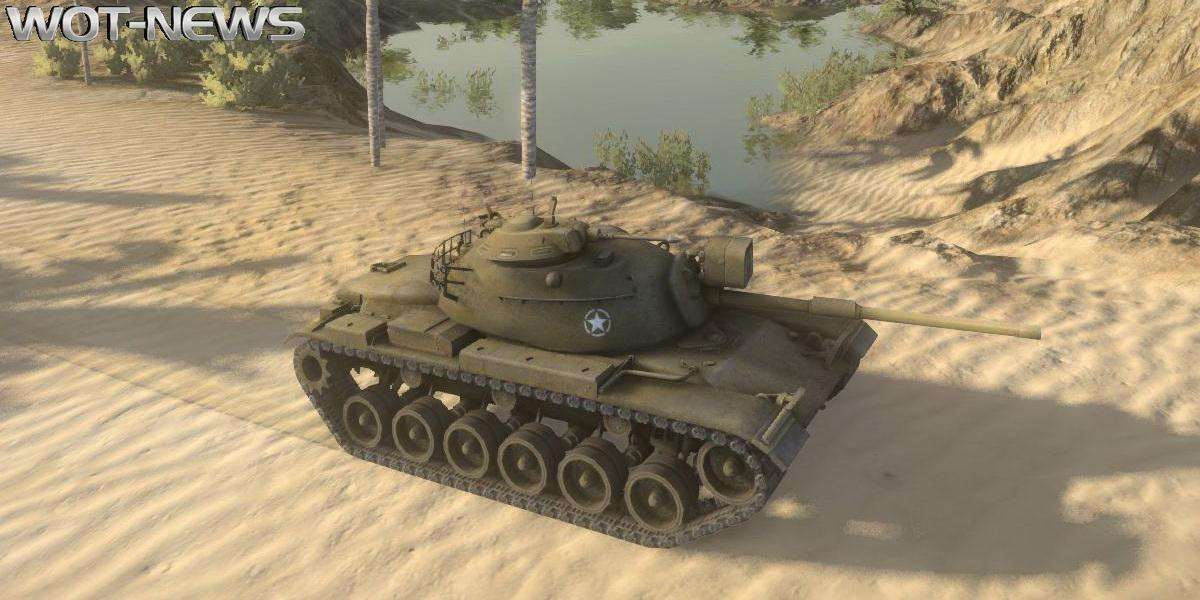
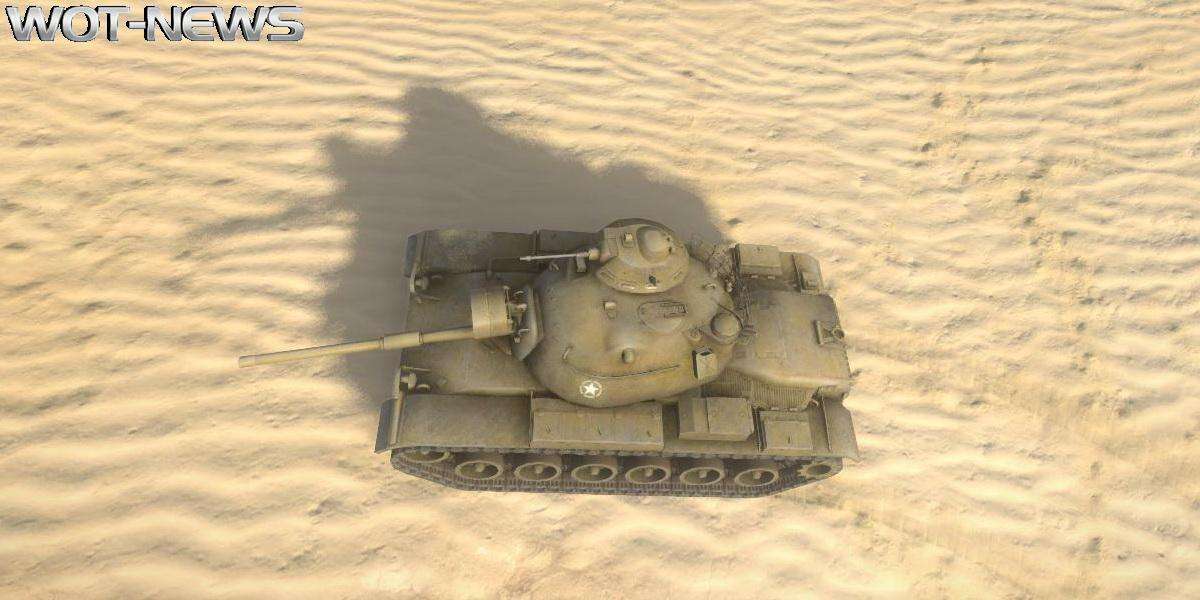
M60
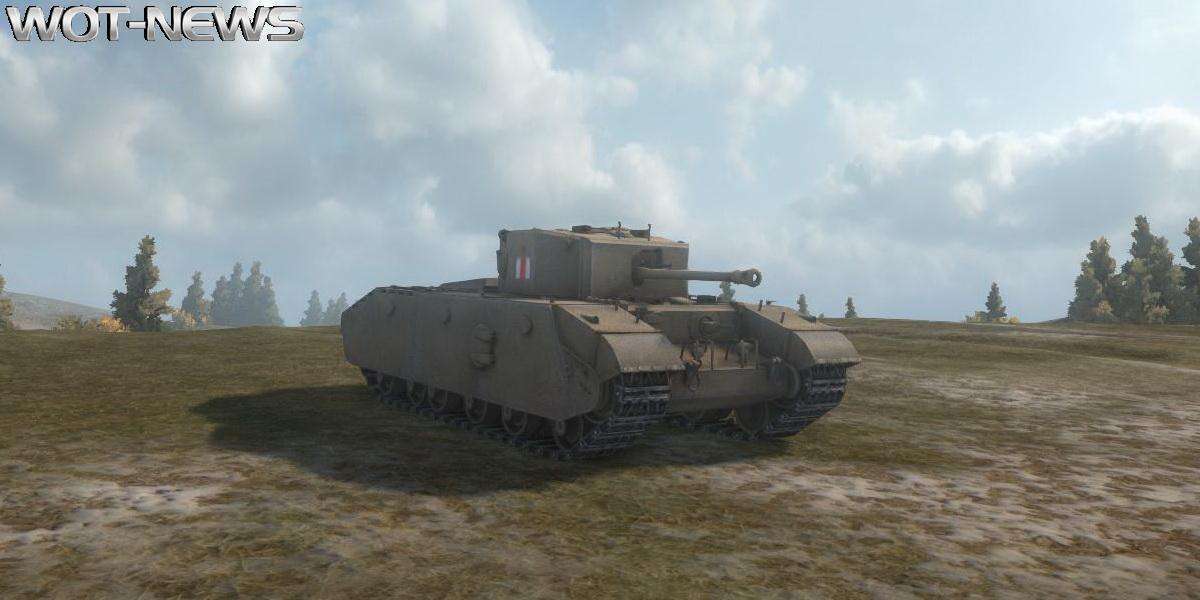
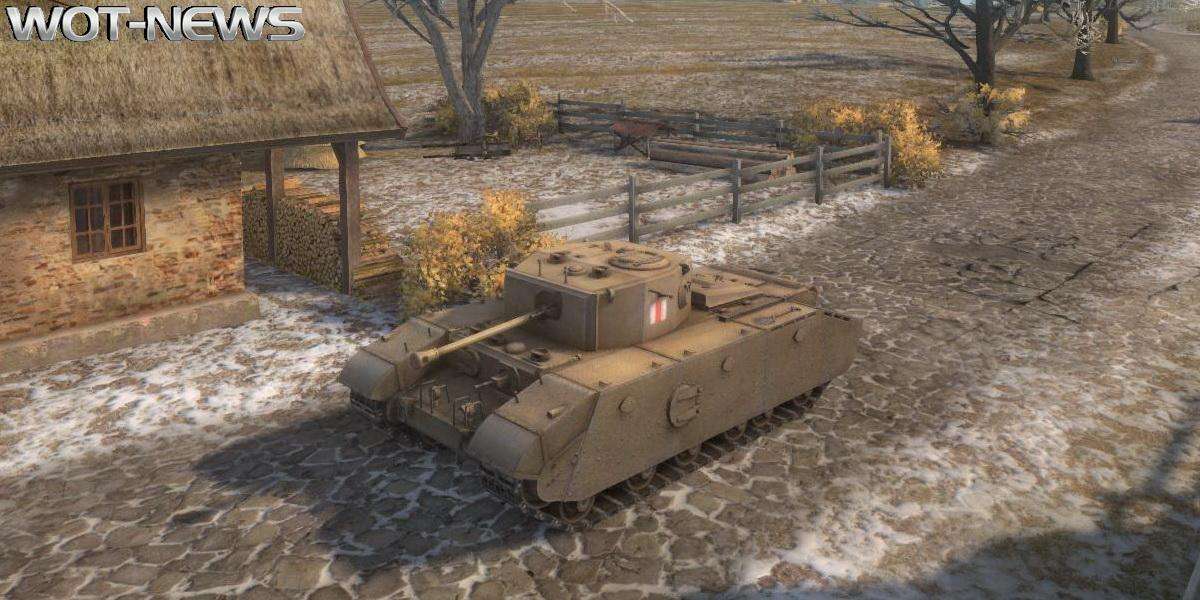
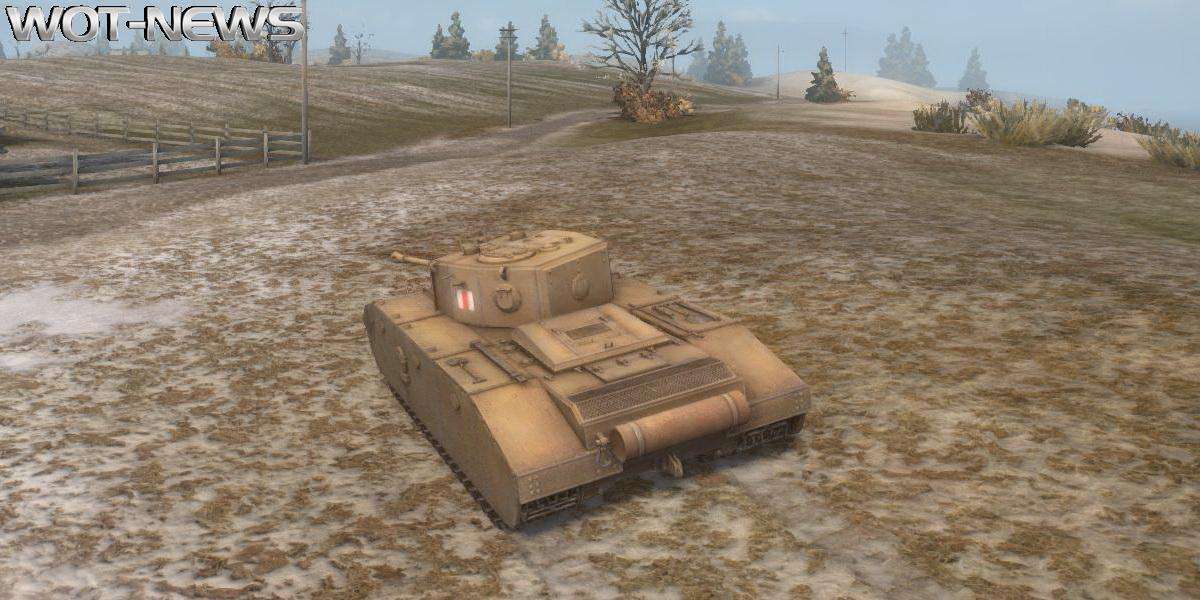
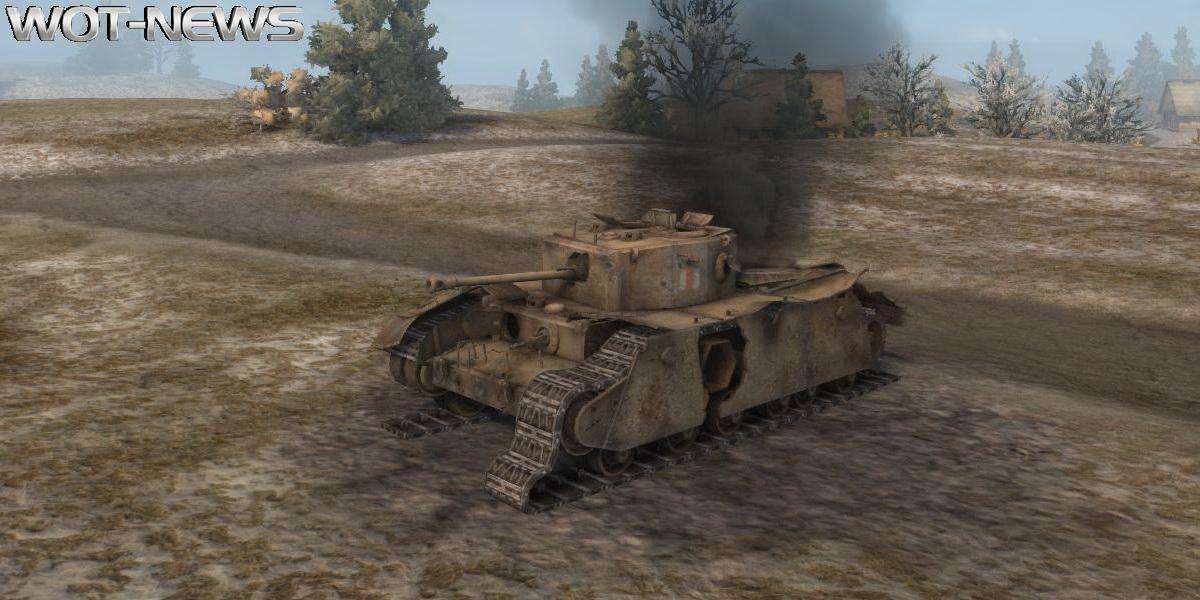
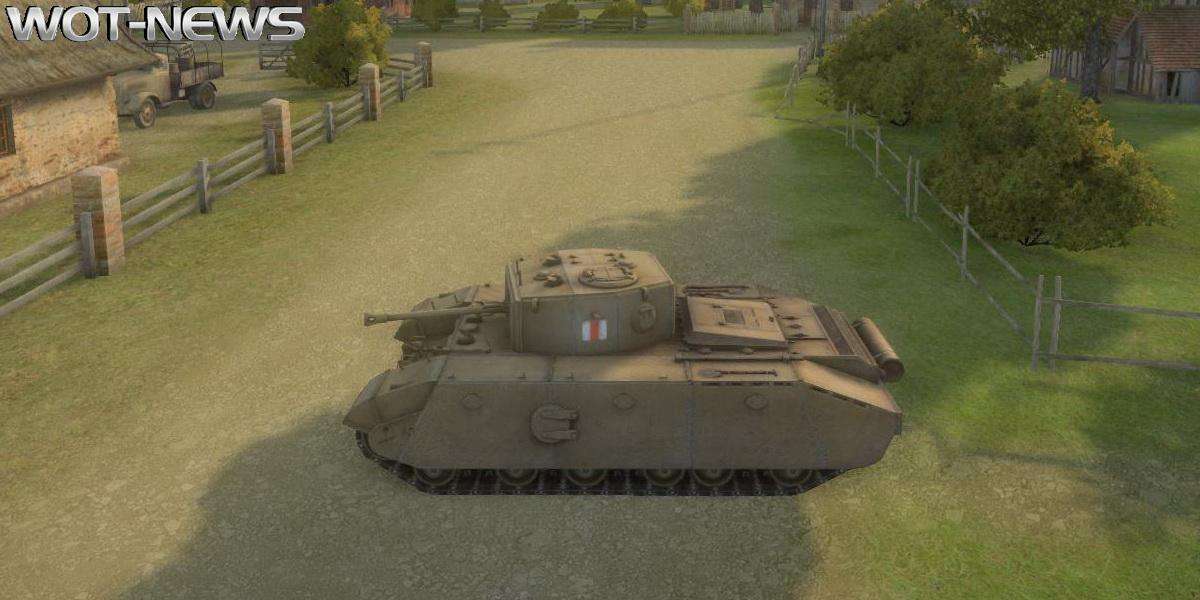
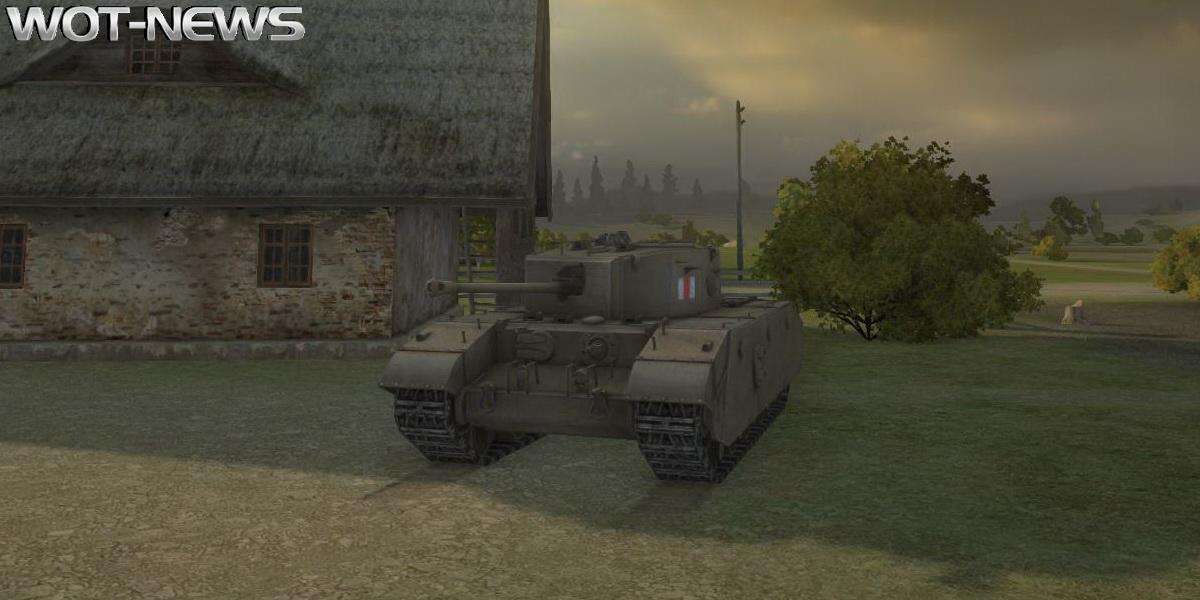
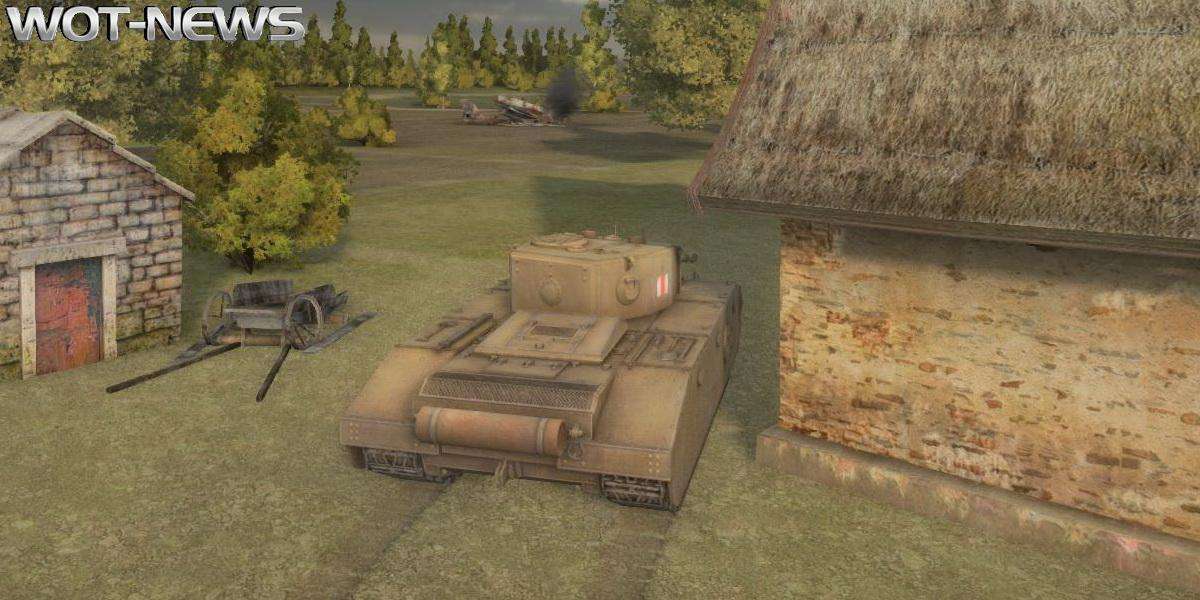
A33 Excelsior
Tips
Please take your time and read the blog rules
Apr 7, 2013
M18 Hellcat's Top Speed
Author: Priory_of_Sion
The top speed of the M18 Hellcat has been a point of conversation ever since it was implemented. WG has set the top speed of the M18 as 72 km/h as of today. This however is lower than historical top speed and since the introduction of the Panzer I ausf. C speeds higher than 72 km/h are possible. The Hellcat deserves some more speed IMO. Many people want the speed to be 97 km/h, this speed however is only attainable is short spurts in perfect circumstances and still causes damage to the engine and transmission, lets not have that. According to US Ordnance Corps the M18's official maximum speed is 80 km/h. This 80 km/h mark is much more comfortable and reasonable top speed than the 97 km/h that isn't sustainable and isn't backed by US Ordnance Corps records.
Also in WoT the M18 can mount the M36 turret and the M3 90 mm gun, in this configuration the M18 goes from having ~23.6 hp/t to ~21 hp/t. I would expect that the top speed to decrease along with the hp/t ratio, so the speed in WoT of 72 km/h should be fairly accurate in describing the M18 with the M36 turret/90 mm.
In WoT it would be accurate and not game-breaking IMO to increase the top speed for the M18 Hellcat to ~80 km/h for the configuration with the stock turret and top engine. The top speed for the elite M18 is fine IMO. Just my 2 cents.
Sources:
M18 Hellcat Tank Destroyer 1943-97 by Steven J. Zaloga
Stuart: History of the American Light Tank Vol 1 by R. P. Hunnicutt
British and American Tanks of World War Two, The Complete Illustrated History of British, American, and Commonwealth Tanks 1933-1945 by Peter Chamberlain and Chris Ellis
The top speed of the M18 Hellcat has been a point of conversation ever since it was implemented. WG has set the top speed of the M18 as 72 km/h as of today. This however is lower than historical top speed and since the introduction of the Panzer I ausf. C speeds higher than 72 km/h are possible. The Hellcat deserves some more speed IMO. Many people want the speed to be 97 km/h, this speed however is only attainable is short spurts in perfect circumstances and still causes damage to the engine and transmission, lets not have that. According to US Ordnance Corps the M18's official maximum speed is 80 km/h. This 80 km/h mark is much more comfortable and reasonable top speed than the 97 km/h that isn't sustainable and isn't backed by US Ordnance Corps records.
Also in WoT the M18 can mount the M36 turret and the M3 90 mm gun, in this configuration the M18 goes from having ~23.6 hp/t to ~21 hp/t. I would expect that the top speed to decrease along with the hp/t ratio, so the speed in WoT of 72 km/h should be fairly accurate in describing the M18 with the M36 turret/90 mm.
I didn't want this post to be pic-less, so look at the 90 mm Hellcat.
In WoT it would be accurate and not game-breaking IMO to increase the top speed for the M18 Hellcat to ~80 km/h for the configuration with the stock turret and top engine. The top speed for the elite M18 is fine IMO. Just my 2 cents.
Sources:
M18 Hellcat Tank Destroyer 1943-97 by Steven J. Zaloga
Stuart: History of the American Light Tank Vol 1 by R. P. Hunnicutt
British and American Tanks of World War Two, The Complete Illustrated History of British, American, and Commonwealth Tanks 1933-1945 by Peter Chamberlain and Chris Ellis
Brainstorming British Premiums
By EnsignExpendable
Based on some documents Yuri Pasholok came across, he designed these two tanks that could very well one day become British premiums.
As some of you may know, a T-34 and a KV-1 were tested in the US to find out what American and Soviet tank builders could learn from each other. Fewer people know that the same thing happened in Britain. While the Americans only liked some features of Soviet tanks, the British liked all of them. A lot. Aside from some minor complaints, they were ready to produce T-34s and KVs locally, with British guns. Let's take a look at what these tanks can do in World of Tanks.
The T-34 goes first. The British were planning to produce it with a 17-pounder gun. The gun in game weighs 826 kg. The S-54 on the T-34 weighs a whopping 1390 kg, so it should have no problems with overloading the tank or reducing its maneuverability.
The undeniable top gun on the T-34 is the ZiS-4, with 112 penetration and 85 damage. The 17-pounder has 171 penetration, 150 damage. This gun is comparable to the T-34-85's D5T-85BM, with more penetration and less damage. Obviously, the 17-pounder won't be a tier 5 gun, but a tier 6 premium T-34 Firefly is feasible, especially with preferential matchmaking to compensate for that reduced turret armour. Drop the ROF to 9-10, and it would be set.
The KV-1 is a little harder. Its gun isn't in the game, so that allows me to be a little creative. The rate of fire obviously won't be fantastic. The KV-2, with an M-10 howitzer (that has a rate of fire of 3-4 outside of a tank) has an in-game ROF of 2.5 RPM. The 6-inch howitzer the British proposed to put in the KV-1 has a ROF of 2 RPM. Inside a turret, and a small KV-1 turret at that, the RPM is going to drop like a rock. Even with its original 2 RPM, the tank isn't going to be very good.
However, there is a saving grace. The British put a very big emphasis on indirect fire, so their hypothetical KV would have the sights for it. The British KV could be an artillery piece like the leFH18B1. A somewhat armoured hull with a 2 RPM 152 mm howitzer in a fully rotating turret would be an interesting tier 5 artillery. Or maybe 6, since British SPGs are coming after the artillery trees are normalized.
7.4.2013
- the reason a T7 Soviet premium med will be implemented is that suitable tier 8 Soviet premium medium tank was not found
- Type 59 MM spread is considered "normal"
- AMX-13 better than T71 in anything? "It's adequate complex-of-characteristics-wise"
- tier 10 arties will make the work easier for the matchmaking mechanism
- regarding the question why T-54-2 won't be implemented as Soviet T8 premium MT: "You want another Type 59? We don't." (SS: not as a Type 59 visual copy, but as another balanced medium that would flood the random battles) and "T-54-2 is not worse in any way than Type 59"
- IS-7 maximum speed buff only presents itself when the tank goes downhill (engine power was unchanged)
- test server hardware is apparently not used between tests
- Deathmatch mode is not even in long-term plans
- the devs didn't find enough materials about Leopard prototyp B to implement it. It still exists as a built prototype tank, but photographing it is forbidden for now, might get implemented if the data are found
- second round of 0.8.5 test is planned
- apparently, one of the devs answered incorrectly before (as the RU players are also confused), so: British arty is NOT planned to come at the same time as other tier 10 arty, it will come afterwards, "British arty was never planned for 0.8.6"
- plans for 0.8.6 will be officially revealed very soon
- when an artillery HE shell lands between two close standing tanks (splash), each tank gets its own HE average shell (+/-25) damage (eg the damage is not halved)
- Type 59 MM spread is considered "normal"
- AMX-13 better than T71 in anything? "It's adequate complex-of-characteristics-wise"
- tier 10 arties will make the work easier for the matchmaking mechanism
- regarding the question why T-54-2 won't be implemented as Soviet T8 premium MT: "You want another Type 59? We don't." (SS: not as a Type 59 visual copy, but as another balanced medium that would flood the random battles) and "T-54-2 is not worse in any way than Type 59"
- IS-7 maximum speed buff only presents itself when the tank goes downhill (engine power was unchanged)
- test server hardware is apparently not used between tests
- Deathmatch mode is not even in long-term plans
- the devs didn't find enough materials about Leopard prototyp B to implement it. It still exists as a built prototype tank, but photographing it is forbidden for now, might get implemented if the data are found
- second round of 0.8.5 test is planned
- apparently, one of the devs answered incorrectly before (as the RU players are also confused), so: British arty is NOT planned to come at the same time as other tier 10 arty, it will come afterwards, "British arty was never planned for 0.8.6"
- plans for 0.8.6 will be officially revealed very soon
- when an artillery HE shell lands between two close standing tanks (splash), each tank gets its own HE average shell (+/-25) damage (eg the damage is not halved)
Apr 6, 2013
American Prototype Light Tanks Post-WWII Part 2: Question Mark 3, Cadillac Proposals, and the Astron X Weapon
Author: Priory_of_Sion
To follow my last article the US still tried to develop a light tank to replace the M41 Walker Bulldog after the L Series of proposals. In June of 1954 a new Question Mark Conference, the 3rd of its kind, was held to discuss what new light tank design will join the US arsenal. Six designs were proposed, the TS-8, TS-10, TS-26, TS-32, TL-3, and TL-8. I will not discuss the TS-26, TL-3, and the TL-8 since they would use 105 mm recoilless rifles instead of a conventional tank gun, so it is easy to say you won't see them in WoT. A little info on the names: The S and the L in the designation denoted whether the design was meant to be a short-term or a long-term project.
The TS-8 and TS-32 were both conventional designs using the same 76 mm gun as the M41. The engines would be the AOI-470 and the AO-470, both would have around ~15 hp/t and should have some agility. These designs were very compact and should be very small. Frontal armor is only 12.7 mm thick.
The TS-10 was stranger. The TS-10 had a remote-controlled turret/gun pod with a 76 mm autoloader with 20 rounds in a magazine(The crew had to reload the magazine externally). The crew was dropped to 3 crew members from 4 in the TS-8/TS-32 tanks. Mobility should be similar to the other projects. The TS-10 should have some of the most comfortable gun depression values as well due to the gun pod design.
The TMG wasn't really a light tank. It's weight of 30 tons might designate it as a medium. The gun on the TMG would be a 105 mm gun in an oscillating turret. Speed wouldn't be too quick but the TMG would still be very mobile. The same Optar range finder was to be used on the TMG as well.
Abrams: A History of the American Main Battle Tank
To follow my last article the US still tried to develop a light tank to replace the M41 Walker Bulldog after the L Series of proposals. In June of 1954 a new Question Mark Conference, the 3rd of its kind, was held to discuss what new light tank design will join the US arsenal. Six designs were proposed, the TS-8, TS-10, TS-26, TS-32, TL-3, and TL-8. I will not discuss the TS-26, TL-3, and the TL-8 since they would use 105 mm recoilless rifles instead of a conventional tank gun, so it is easy to say you won't see them in WoT. A little info on the names: The S and the L in the designation denoted whether the design was meant to be a short-term or a long-term project.
The TS-8 and TS-32 were both conventional designs using the same 76 mm gun as the M41. The engines would be the AOI-470 and the AO-470, both would have around ~15 hp/t and should have some agility. These designs were very compact and should be very small. Frontal armor is only 12.7 mm thick.
None of these designs from the 3rd Question Mark were chosen for development. In 1955 Cadillac designed 9 conceptual light tanks. Here, I will discuss the vehicles that were proposed with conventional armament the TLC, TLD, TME(c), TME(b), and the TMG.
The TLC was 14 ton vehicle that was to use a 76 mm gun in an oscillating turret. The TLD was a 16 ton vehicle that was planned with a 90 mm main gun in a conventional turret. Both had no effective armor but would have good mobility. An early form of a light based(called Optar) range finder was also intended for use on the TLD.
The TME tanks would share a common chassis and weighed around 20 tons. The turrets would be a conventional turret(for the TME(c)) and an oscillating turret(for the TME(b)--note Cadillac called oscillating turrets balancing turrets, therefore you get the (b) in the name). Both were armed with a 90 mm gun. Optar was to be used on both tanks.
The TMG wasn't really a light tank. It's weight of 30 tons might designate it as a medium. The gun on the TMG would be a 105 mm gun in an oscillating turret. Speed wouldn't be too quick but the TMG would still be very mobile. The same Optar range finder was to be used on the TMG as well.
I really want these little models.
I would now like to discuss the General Motors tank called the X-Weapon for the ASTRON project. ASTRON lasted from 1953-55 and was to find a new medium tank for the future. General Motors decided that armor would be useless and decided a very fast, lightweight tank would be better than a slower but more heavily armored vehicle(which were proposed by other teams working for the ASTRON project). The X-Weapon was armed with a non-stabilized T208 90 mm smooth bore main gun. Top speed should be ~80 km/h and it should weigh ~26 tons. The ASTRON X-Weapon was more-or-less the spiritual successor to the Hellcat, an ultra-fast vehicle with no armor and a good weapon. In 1955 the ASTRON program became intertwined with other US tank programs such as the T95 tank, the Rex tank proposals, and others which eventually led to the Abrams. I find this tank to be very smexy and should be very comfortable to play in WoT if the gun isn't an issue.
Why did they choose a smooth bore? Why? Why couldn't they use a regular gun?
This tank is so beautiful.
I would really enjoy if WoT ever adds any of these designs. Most of them fit all the requirements to be implemented in WoT. The TS-8 and TS-32 look like solid tier 6/7 designs. The TS-10 would very interesting, would be best at tier 7 IMO. The Cadillac designs could almost create a new line of vehicles, personally I believe either the TLD or the TME(c) should be the tier 8 light after a tier 7 M41 Walker Bulldog. If I was to choose, I would have the TLD become the tier 8 after the M41. The TMG could be a faster and more comfortable T54E1 at tier 9. The ASTRON poses a problem because of the smooth bore, it would be a great addition if WG replaced the gun, but it shouldn't be expected.
Sources:
Sheridan: A History of the American Light Tank vol. 2Abrams: A History of the American Main Battle Tank
Both authored by R. P. Hunnicutt
Stay in tuned for Part 3 among other things.
6.4.2013
- driver's hatch on IS-7 does not count as external module, but as armor
- it was considered to reduce the scale of shell penetration decay with distance
- M551 Sheridan is "not planned for now"
- PT-76 is not planned until bigger maps allow for amphibious tanks
- the aim spread after moving the gun/turret is not influenced by gun length or gun weight or other hidden parameters, but by gunner skill
- no composite armor will be implemented
- it's not yet decided, whether parts of client physics will be switcheable off, or just the physics as whole - experiments are in progress
- XP is awarded for first enemy module destruction (eg. chaindetracking will give you XP for destroyed tracks only once)
- devs are discussing the idea that old replays could be converted to new format
- upcoming Maus buff is confirmed, but it's not know when will it happen and it will not be significant
- WoWs has the tank drawing distance removed (or rather, it's much longer), but tanks won't have it removed, the parameters of both projects are different
- 8.6 will bring the sound engine overhaul (SS: unknown what it means)
- Leopard 1 might be too high, it will be rechecked
- acceleration is a balance parameter, eg. the acceleration of Leopard 1 doesn't have to be historical
- the +/-25 percent random factor came to be thru experience, in the beginning, it was 50, it won't be reduced to 10
- Leopard 1 might get better accuracy on the move
- new sounds (of shell impact) might come until autumn, but no promises
- dynamic garage tank stats are planned for distant future
- the Leopard 1 Bundeswehr cross is an exception, there won't be post-war insignia for (for example) US and Chinese tanks
- the tank icon indicator on the top of the screen won't get (apart from classes as it is now) also tier designations, it would be too much
- a mechanism is planned for all the "collecting" archievements (medals) to display, what do you have left to do, will come around 0.8.8
- in 0.8.5, only the most obvious objects (fences, walls) were fixed in order not to reduce the speed of a tank too much when running them over (thru them), the rest will be fixed in time
- it was considered to reduce the scale of shell penetration decay with distance
- M551 Sheridan is "not planned for now"
- PT-76 is not planned until bigger maps allow for amphibious tanks
- the aim spread after moving the gun/turret is not influenced by gun length or gun weight or other hidden parameters, but by gunner skill
- no composite armor will be implemented
- it's not yet decided, whether parts of client physics will be switcheable off, or just the physics as whole - experiments are in progress
- XP is awarded for first enemy module destruction (eg. chaindetracking will give you XP for destroyed tracks only once)
- devs are discussing the idea that old replays could be converted to new format
- upcoming Maus buff is confirmed, but it's not know when will it happen and it will not be significant
- WoWs has the tank drawing distance removed (or rather, it's much longer), but tanks won't have it removed, the parameters of both projects are different
- 8.6 will bring the sound engine overhaul (SS: unknown what it means)
- Leopard 1 might be too high, it will be rechecked
- acceleration is a balance parameter, eg. the acceleration of Leopard 1 doesn't have to be historical
- the +/-25 percent random factor came to be thru experience, in the beginning, it was 50, it won't be reduced to 10
- Leopard 1 might get better accuracy on the move
- new sounds (of shell impact) might come until autumn, but no promises
- dynamic garage tank stats are planned for distant future
- the Leopard 1 Bundeswehr cross is an exception, there won't be post-war insignia for (for example) US and Chinese tanks
- the tank icon indicator on the top of the screen won't get (apart from classes as it is now) also tier designations, it would be too much
- a mechanism is planned for all the "collecting" archievements (medals) to display, what do you have left to do, will come around 0.8.8
- in 0.8.5, only the most obvious objects (fences, walls) were fixed in order not to reduce the speed of a tank too much when running them over (thru them), the rest will be fixed in time
LTP (Tanque 39) - the Peruvian legend
Hello everyone,
those who have followed my Czechoslovak tank series might have found the name of the tank "TNH" in the "medium tanks" section. This vehicle platform (the best known variant thereof being the light tank serving under the Czech name LT-38 or German Panzer 38(t)) had many offshoots, usually specifically designed for the customers who ordered them (Lithuania, Sweden, Iran and others). The LTP is one of the more interesting and exotic ones.
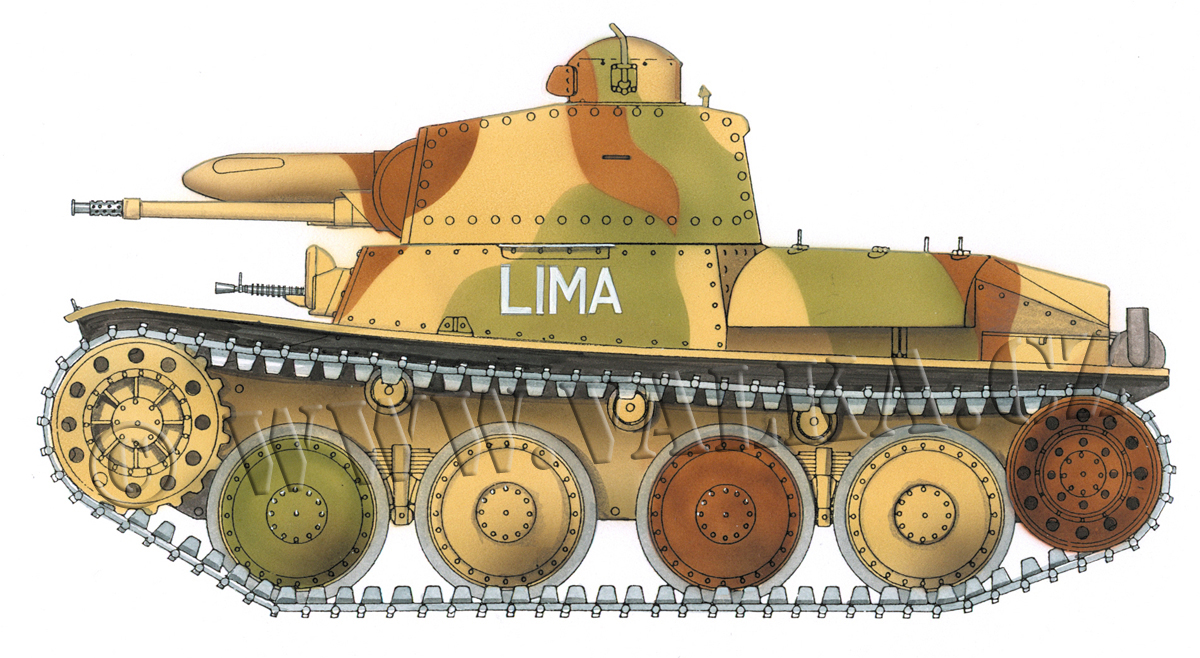
LTP means "lehký tank, peruánský" (light tank, Peruvian) and it was built by ČKD/Praga specifically to satisfy the needs of the army of Peru. Basically, what happened was - the first "predecessor" of the whole series was the THN. It was a rather successful design, made for Iran, produced between the years 1935-1937. Of course, its success attracted other potential buyers. Peru was one of them and certainly one of the most distant ones, if not THE most distant one.
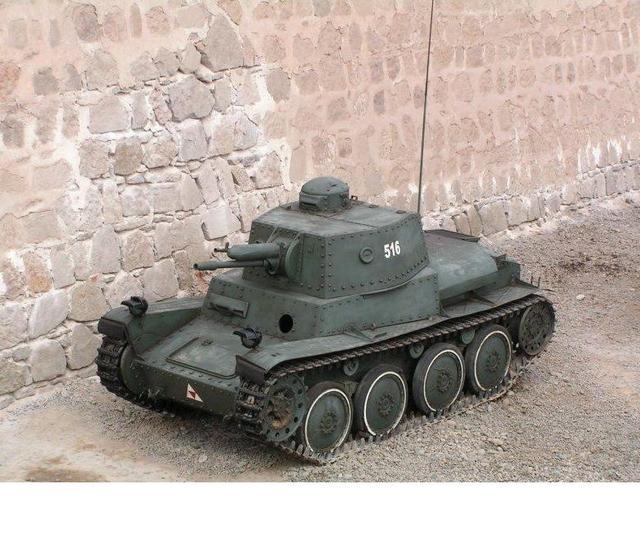
A picture of one Tanque 39. It was named after the region, which participated financially in its purchase
The negotiations were held between 1936 and 1938 and were led by Col. José Tamayo from Peru. The most important demand of the Peruvian army was that the vehicles would be able to operate independently and without problems in high altitudes. Peru is a country with many mountains and the low air pressure in high altitudes could pose a serious problem. To compensate for this, the Praga engineers increased the air intake to the engine while using better compression ratios. The result was good - the vehicle could operate in any altitude up to 4500m above sea level without any performance reduction. The vehicle would also have to be light (mountains are no place for heavy or even medium tanks, at least back then they were not), with reasonable firepower and adequate protection for its time. Naturally, there was a question of who the vehicle would have to fight. Peru did not need a battle tank designed to take on hordes of incoming Panzers, rather than a nimble quick vehicle with enough firepower to knock out enemy infantry strongpoints and of course to serve as a COIN vehicle (counter-insurgency).
LTP offered a perfect blend of those parameters.
The performance characteristics were following:
Crew: 3
Weight: 7,3 tons
Armor
Hull (front/sides/back, mm): 25/15/12
Turret (front/sides/back, mm): 25/15/12
(keep in mind that the rebels and enemy states the vehicle had to fight rarely had any armor at all apart from tankettes, let alone anti-tank rifles and anti-tank guns, Ecuador, that waged a limited-scale war with Peru in 1941 acquired its first Stuarts and Marmon-Herrington tankettes a year later)
Engine: Scania Vabis 1664, 125k (power measured at low sea level)
Maximum speed: 40km/h
Range: 190km
Armament: 37mm Å koda A3, 2x 7.65mm machineguns (ZB-53, ZB-30).
After roughly two years of negotiations, an agreement was reached and 24 vehicles were ordered (plus the prototype) and brought in service under the Peruvian designation Tanque 39. Along with the negotiator, José Tamayo, first vehicles were transferred to Peru in Lima under the supervision of captain Hector Cornejo (technical supervisor) and his two assistents (one of who was a native American).
The technical trials in Peru were the place where the LTP legend was born. The prototype vehicle worked perfectly. In internal ÄŒKD archives an incident was mentioned where - during the trials in the mountains at 3700m above sea level in September 1938, the vehicle driving on a mountain road next to a slope slipped from the slope and fell 5 meters, tipped on the turret. The tank proved to be extremely resilient - the damage was minor and the vehicle was repaired by ÄŒKD technicians overnight - next day, the trials continued. This incident actually spawned a whole legend about the vehicle. It was told many times by many people and in time, people started to believe that the tank was tipped back on the tracks after the fall and continued running without any repairs. While a gross overstatement, these rumors contributed to the excellent reputation of Czechoslovak tanks in South America.
By the time the trials ended and Peru decided to order some vehicles, a full mobilisation was taking place in Czechoslovakia (it was the time when people still thought there would be a war with the Germans) and the vehicles, currently manufactured for Peru, were confiscated by the Czechoslovak army. After the mobilisation was cancelled, they were returned and in November 1938, first 6 serial vehicles were sent to Peru. 24 were made in total and the last vehicles arrived in Peru on 27.2.1939.
Apart from the vehicles, Peru ordered a large amount of spare parts, ammunition (and weapon components) provided by Å koda, a Praga T-6 artillery tractor, a mobile repair workshop mounted on a truck trailer, one Praga AV staff car and one Praga RV support vehicle.
The tanks saw action for the first time on 19.2.1939 against a group attempting a coup d'etat. Their debut was a success and in June they were officially presented during a military parade in Lima. During the Peru-Ecuador border war in July 1941, the vehicles were successful again (12 were operating against Ecuador as a part of "Group North"). In 1946, more vehicles were ordered from ÄŒKD, but that order was never fulfilled - only a certain amount of spare parts was sold to the Peruvian army in 1950.
And so the tanks continued to soldier on. In 1970's, they were used to fight the maoist rebels from the "Shining Path" movement and the last two remaining vehicles in operation were used until 1988 for patrol duties near Callaa. By that time they were completely worn out however and they were taken out of service to be used as military monuments. One of the tanks was recently sold back to the Czech Republic and is currently located in Prague military museum.
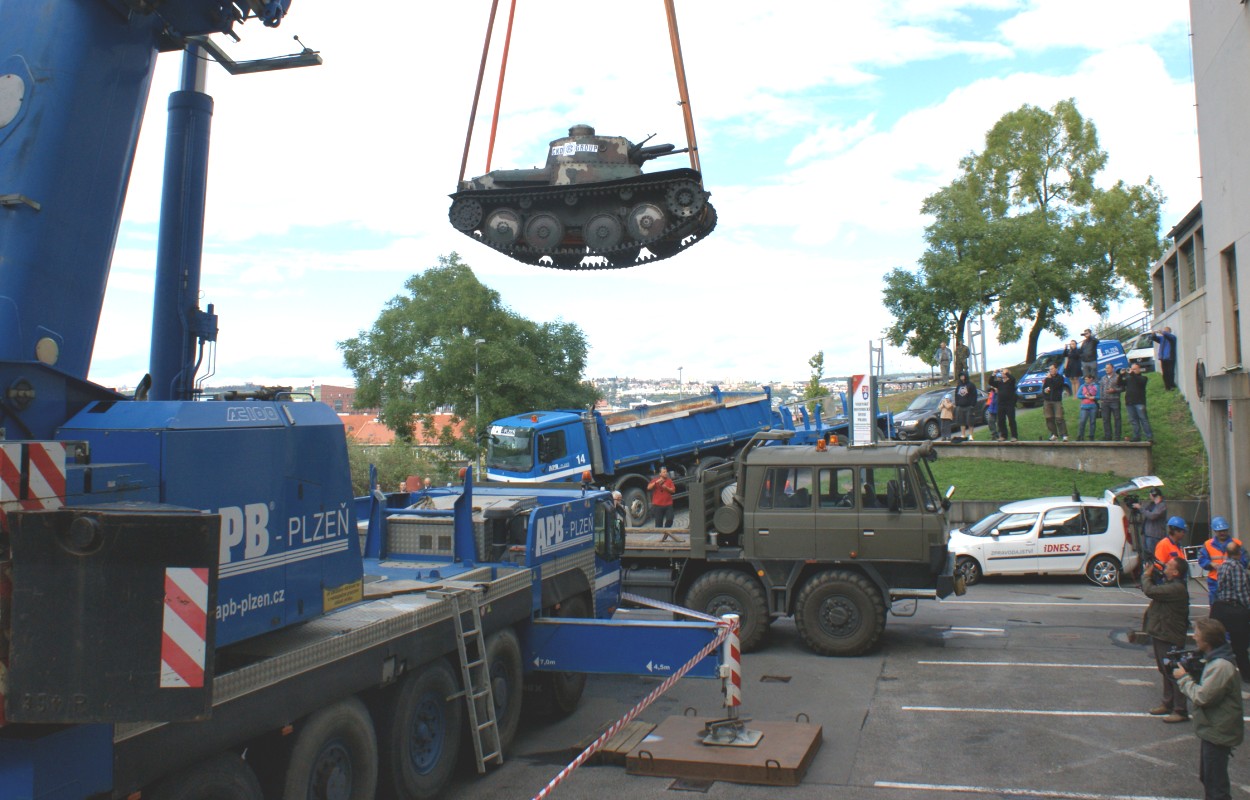
Tank being transported to the museum in Prague (27.9.2012)
My own photo of the vehicle (it's in very poor shape)
those who have followed my Czechoslovak tank series might have found the name of the tank "TNH" in the "medium tanks" section. This vehicle platform (the best known variant thereof being the light tank serving under the Czech name LT-38 or German Panzer 38(t)) had many offshoots, usually specifically designed for the customers who ordered them (Lithuania, Sweden, Iran and others). The LTP is one of the more interesting and exotic ones.
LTP means "lehký tank, peruánský" (light tank, Peruvian) and it was built by ČKD/Praga specifically to satisfy the needs of the army of Peru. Basically, what happened was - the first "predecessor" of the whole series was the THN. It was a rather successful design, made for Iran, produced between the years 1935-1937. Of course, its success attracted other potential buyers. Peru was one of them and certainly one of the most distant ones, if not THE most distant one.
A picture of one Tanque 39. It was named after the region, which participated financially in its purchase
The negotiations were held between 1936 and 1938 and were led by Col. José Tamayo from Peru. The most important demand of the Peruvian army was that the vehicles would be able to operate independently and without problems in high altitudes. Peru is a country with many mountains and the low air pressure in high altitudes could pose a serious problem. To compensate for this, the Praga engineers increased the air intake to the engine while using better compression ratios. The result was good - the vehicle could operate in any altitude up to 4500m above sea level without any performance reduction. The vehicle would also have to be light (mountains are no place for heavy or even medium tanks, at least back then they were not), with reasonable firepower and adequate protection for its time. Naturally, there was a question of who the vehicle would have to fight. Peru did not need a battle tank designed to take on hordes of incoming Panzers, rather than a nimble quick vehicle with enough firepower to knock out enemy infantry strongpoints and of course to serve as a COIN vehicle (counter-insurgency).
LTP offered a perfect blend of those parameters.
The performance characteristics were following:
Crew: 3
Weight: 7,3 tons
Armor
Hull (front/sides/back, mm): 25/15/12
Turret (front/sides/back, mm): 25/15/12
(keep in mind that the rebels and enemy states the vehicle had to fight rarely had any armor at all apart from tankettes, let alone anti-tank rifles and anti-tank guns, Ecuador, that waged a limited-scale war with Peru in 1941 acquired its first Stuarts and Marmon-Herrington tankettes a year later)
Engine: Scania Vabis 1664, 125k (power measured at low sea level)
Maximum speed: 40km/h
Range: 190km
Armament: 37mm Å koda A3, 2x 7.65mm machineguns (ZB-53, ZB-30).
After roughly two years of negotiations, an agreement was reached and 24 vehicles were ordered (plus the prototype) and brought in service under the Peruvian designation Tanque 39. Along with the negotiator, José Tamayo, first vehicles were transferred to Peru in Lima under the supervision of captain Hector Cornejo (technical supervisor) and his two assistents (one of who was a native American).
The technical trials in Peru were the place where the LTP legend was born. The prototype vehicle worked perfectly. In internal ÄŒKD archives an incident was mentioned where - during the trials in the mountains at 3700m above sea level in September 1938, the vehicle driving on a mountain road next to a slope slipped from the slope and fell 5 meters, tipped on the turret. The tank proved to be extremely resilient - the damage was minor and the vehicle was repaired by ÄŒKD technicians overnight - next day, the trials continued. This incident actually spawned a whole legend about the vehicle. It was told many times by many people and in time, people started to believe that the tank was tipped back on the tracks after the fall and continued running without any repairs. While a gross overstatement, these rumors contributed to the excellent reputation of Czechoslovak tanks in South America.
By the time the trials ended and Peru decided to order some vehicles, a full mobilisation was taking place in Czechoslovakia (it was the time when people still thought there would be a war with the Germans) and the vehicles, currently manufactured for Peru, were confiscated by the Czechoslovak army. After the mobilisation was cancelled, they were returned and in November 1938, first 6 serial vehicles were sent to Peru. 24 were made in total and the last vehicles arrived in Peru on 27.2.1939.
Apart from the vehicles, Peru ordered a large amount of spare parts, ammunition (and weapon components) provided by Å koda, a Praga T-6 artillery tractor, a mobile repair workshop mounted on a truck trailer, one Praga AV staff car and one Praga RV support vehicle.
The tanks saw action for the first time on 19.2.1939 against a group attempting a coup d'etat. Their debut was a success and in June they were officially presented during a military parade in Lima. During the Peru-Ecuador border war in July 1941, the vehicles were successful again (12 were operating against Ecuador as a part of "Group North"). In 1946, more vehicles were ordered from ÄŒKD, but that order was never fulfilled - only a certain amount of spare parts was sold to the Peruvian army in 1950.
And so the tanks continued to soldier on. In 1970's, they were used to fight the maoist rebels from the "Shining Path" movement and the last two remaining vehicles in operation were used until 1988 for patrol duties near Callaa. By that time they were completely worn out however and they were taken out of service to be used as military monuments. One of the tanks was recently sold back to the Czech Republic and is currently located in Prague military museum.
Tank being transported to the museum in Prague (27.9.2012)
My own photo of the vehicle (it's in very poor shape)
Subscribe to:
Posts (Atom)


.png)
1.png)